Understanding Juniper Transceivers: Key Specs, Compatibility, and Their Role in Network Performance
In the ever-evolving landscape of network infrastructure, understanding the pivotal role of Juniper Transceivers is crucial for optimizing performance and ensuring seamless connectivity. This "How to" guide delves into the essential specifications and compatibility considerations of Juniper Transceivers, offering insights into their functionality within a network. From evaluating the technical requirements to selecting the appropriate transceivers for your specific operational needs, every aspect of integrating Juniper Transceivers is examined. By mastering these components, network professionals can significantly enhance data transfer rates, reduce latency, and improve overall network reliability. Join us as we explore the intricacies of Juniper Transceivers and uncover how they contribute to robust network performance.
The Importance of Optics in Networking: Why Transceivers Matter
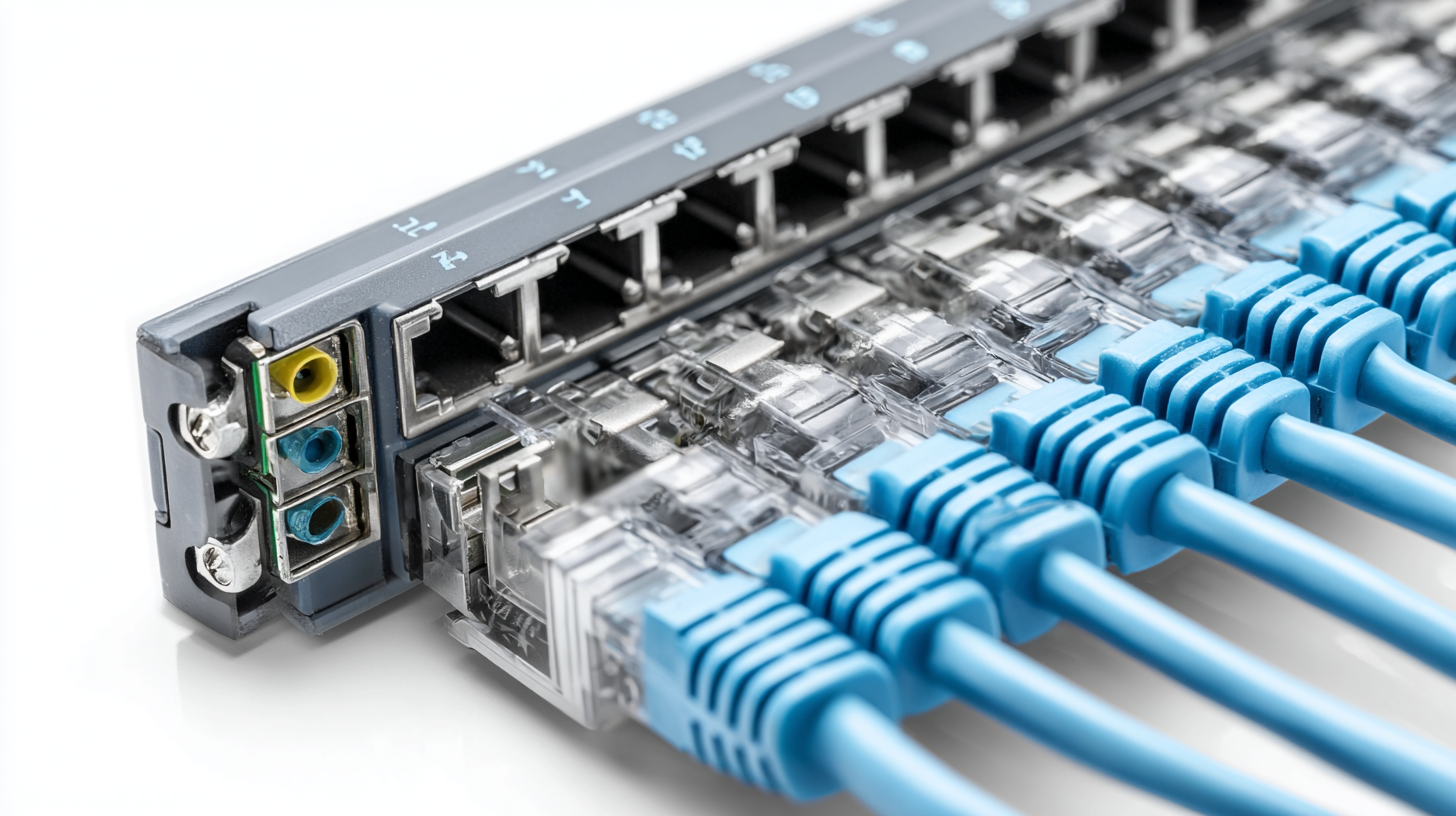
In today's high-speed networking landscape, the role of transceivers, or optics, cannot be overstated. These compact devices serve as the backbone of data transmission, converting electrical signals into optical signals and vice versa. Their importance lies in their capability to ensure high data throughput over various distances, making them essential for both local area networks (LANs) and wide area networks (WANs). By facilitating seamless communication between different network components, transceivers help maintain the integrity and speed of data flow, which is critical for applications ranging from cloud computing to real-time communication.
Furthermore, the compatibility of transceivers with networking equipment plays a crucial role in optimizing performance. Network architects must carefully consider the specifications and capabilities of different transceiver models to match their specific needs, such as data rate, reach, and distance. As the demand for bandwidth increases, choosing the right optical transceivers becomes paramount in enhancing network performance and scalability, allowing organizations to adapt to evolving technology and traffic requirements. This intricate relationship between transceivers and overall network efficiency highlights why optics are not just components but vital players in modern networking strategies.
Key Specifications of Juniper Transceivers: What to Look For
When evaluating Juniper transceivers, understanding key specifications is essential for optimizing network performance. One of the primary specifications to consider is the data rate, which indicates how fast the transceiver can handle data. Options typically range from 1G to 100G, enabling the selection of a transceiver that aligns with the needs of the network environment. Additionally, assessing the optical budget is crucial, as it determines the maximum distance a signal can travel through optical fibers before degradation occurs.
Another critical specification is the form factor, which refers to the physical dimensions and compatibility with various Juniper devices. Common form factors include SFP, SFP+, and QSFP, with specific interfaces suited for different network applications. It’s necessary to ensure that the selected transceiver matches the compatible Juniper hardware to avoid performance issues. Lastly, considering the wavelength and transmission distance helps in optimizing the network's capacity, particularly for high-bandwidth applications. By understanding these specifications, network engineers can make informed decisions that enhance overall connectivity and efficiency.
Key Specifications of Juniper Transceivers
This chart displays the performance metrics of various transceiver specifications. We analyze parameters such as Data Rate (Gbps), Reach (km), and Power Consumption (W) to understand their impact on network performance.
Compatibility Factors: Ensuring Optimal Performance with Juniper Gear
When integrating Juniper transceivers into your networking setup, understanding compatibility factors is crucial for ensuring optimal performance. Compatibility is influenced by several elements, including the specific model of the Juniper device, the type of transceiver used, and the intended application. Each Juniper platform has defined specifications that dictate which transceivers will work effectively, thereby ensuring seamless communication across your network infrastructure.
Additionally, it's essential to consider the form factor of the transceiver, as different models—such as SFP, SFP+, or QSFP—may offer varying capabilities in terms of speed and distance. Choosing the right transceiver not only affects the immediate performance of your network but also its scalability and longevity. By selecting compatible components, network administrators can achieve enhanced reliability and efficiency, minimizing potential downtime and maximizing data transmission speeds.
How Transceivers Impact Network Reliability and Speed
Transceivers play a vital role in network infrastructure, directly influencing both reliability and speed. According to a report by the International Telecommunication Union (ITU), optimal transceiver performance can enhance data transmission rates by up to 70%, significantly reducing latency and packet loss. This is essential for modern networks where applications demand real-time data processing, such as video conferencing and online gaming. The type of transceiver used can also affect the overall network reliability, with high-quality components decreasing the likelihood of failures and outages.
When selecting transceivers for Juniper networks, compatibility is crucial. For instance, using the correct SFP, SFP+, or QSFP modules tailored for specific Juniper devices can lead to improved network stability. A study by Networking Industry Association highlighted that networks with properly matched transceivers experience 30% fewer disruptions compared to those with incompatible components.
Tip: Always check the manufacturer’s specifications and consult compatibility matrices to ensure optimal performance.
Furthermore, investing in advanced transceiver technology, such as DWDM (Dense Wavelength Division Multiplexing) modules, can greatly expand a network’s capacity without compromising speed. With the right transceivers, organizations can ensure robust network performance, paving the way for scalability and innovation.
Tip: Regularly monitor transceiver performance metrics to promptly address any potential issues before they escalate.
Understanding the Role of Transceivers in Modern Data Center Infrastructure
Transceivers play a crucial role in the modern data center infrastructure, acting as the critical link between different network hardware components. These compact devices convert electrical signals into optical signals and vice versa, enabling smooth communication over various distances. By facilitating high-speed data transmission, transceivers ensure that servers, switches, and routers can efficiently exchange information, thus enhancing overall network performance. As data demands increase, the choice of transceivers becomes pivotal to maintaining bandwidth and low latency.
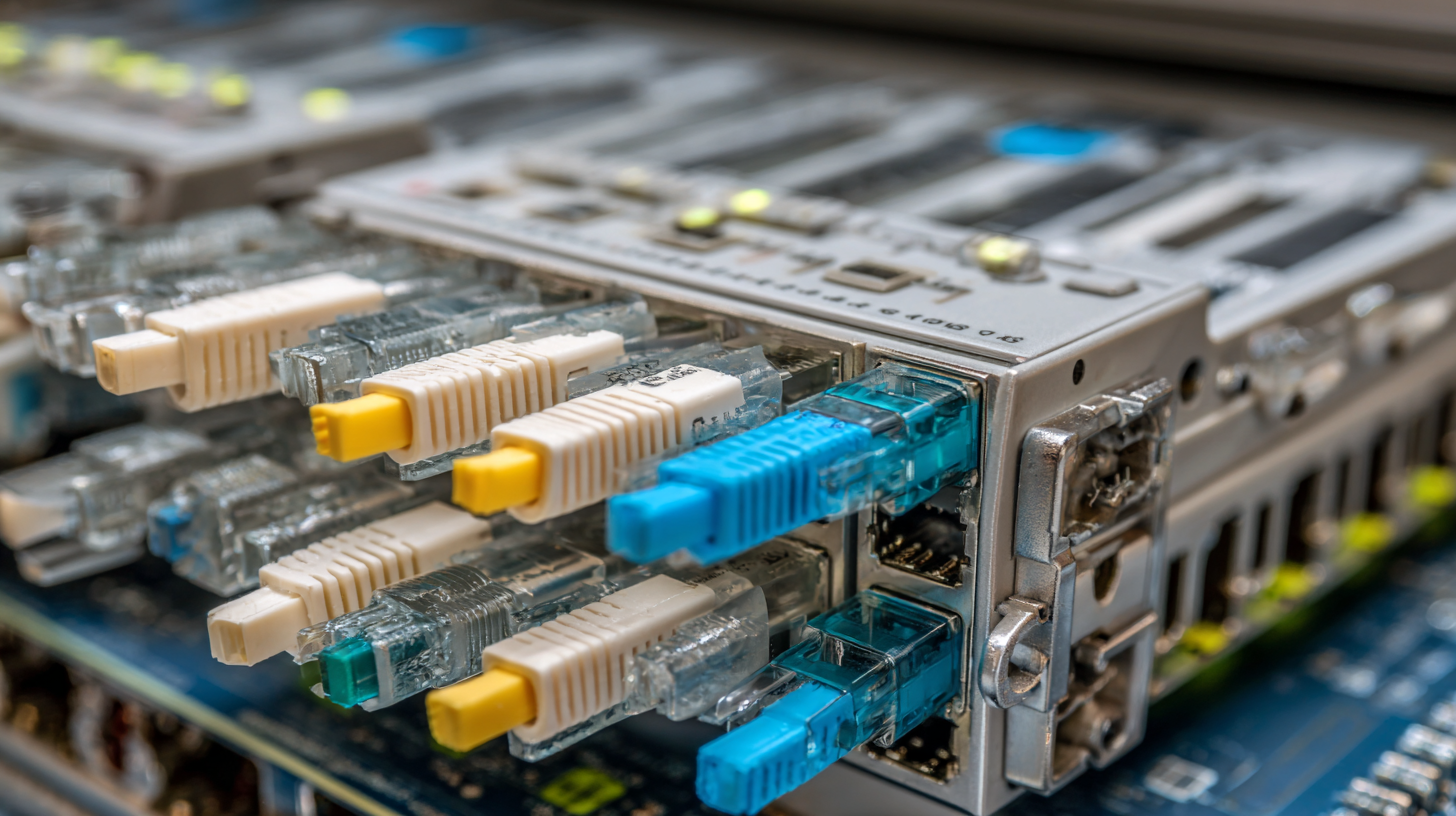
Furthermore, compatibility among transceivers and network devices is essential for seamless integration and functionality. Different standards suchspan style="color: #007bff; font-weight: bold; text-decoration: underline;"> as SFP, SFP+, and QSFP dictate which transceivers can be used with specific equipment, directly influencing throughput capabilities and energy efficiency. In this dynamic landscape, understanding the specifications and compatibility of transceivers helps network engineers design scalable and robust infrastructures that can adapt to changing technological requirements. Ultimately, the right transceiver selection not only boosts connectivity but also future-proofs the network against evolving data center challenges.