What is a Router and How Does it Work in Networking?
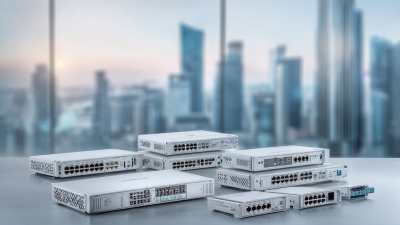
In the realm of networking, the router serves as a pivotal device that facilitates data transfer across interconnected networks. A key player in this domain, a Juniper Networks Router, exemplifies the cutting-edge technology that enables efficient and secure communication. David Wright, a renowned expert from Juniper Networks, stated, "The true strength of a router lies in its ability to seamlessly integrate diverse networks while ensuring optimal performance." This sentiment highlights the essential role that routers play in modern connectivity.
Understanding how routers function is critical for professionals in the field of networking. They not only direct traffic between different devices but also provide a level of security that is vital in today’s digital landscape. The functionality of a Juniper Networks Router is particularly noteworthy, as it incorporates advanced features that enhance network reliability and speed. As the demand for robust networking solutions continues to grow, the importance of routers like those from Juniper Networks becomes increasingly apparent, shaping the foundation of our interconnected world.
What is a Router: Definition and Purpose in Networking
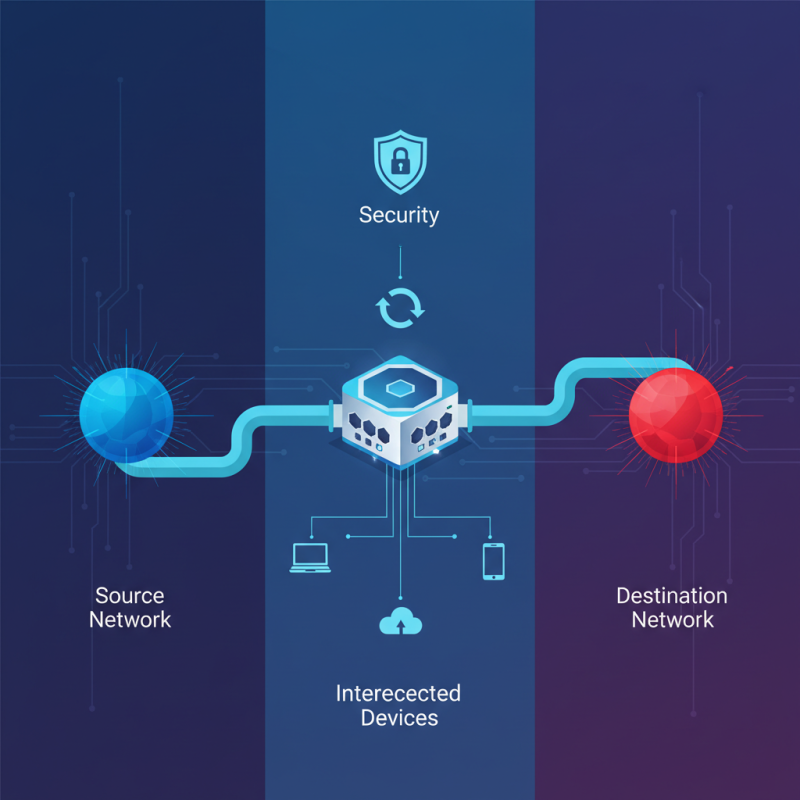
A router is a critical device in networking that serves the vital purpose of directing data packets between different networks. Essentially, it acts as a traffic manager that connects multiple devices within a network, as well as linking disparate networks together, such as a home network to the internet. By analyzing the destination of data packets, the router determines the most efficient path for the data to travel, ensuring optimal speed and minimal latency.
In addition to its primary function of routing data, a router also performs several other important tasks. It can provide security features, such as firewalls, to protect the network from external threats. Furthermore, routers often include functionalities like Network Address Translation (NAT), which helps conserve IP addresses and allows multiple devices to share a single public IP address. Overall, understanding the definition and purpose of a router highlights its significance in facilitating seamless communication within and between networks, making it an indispensable component of modern networking infrastructure.
Basic Components and Functions of a Router
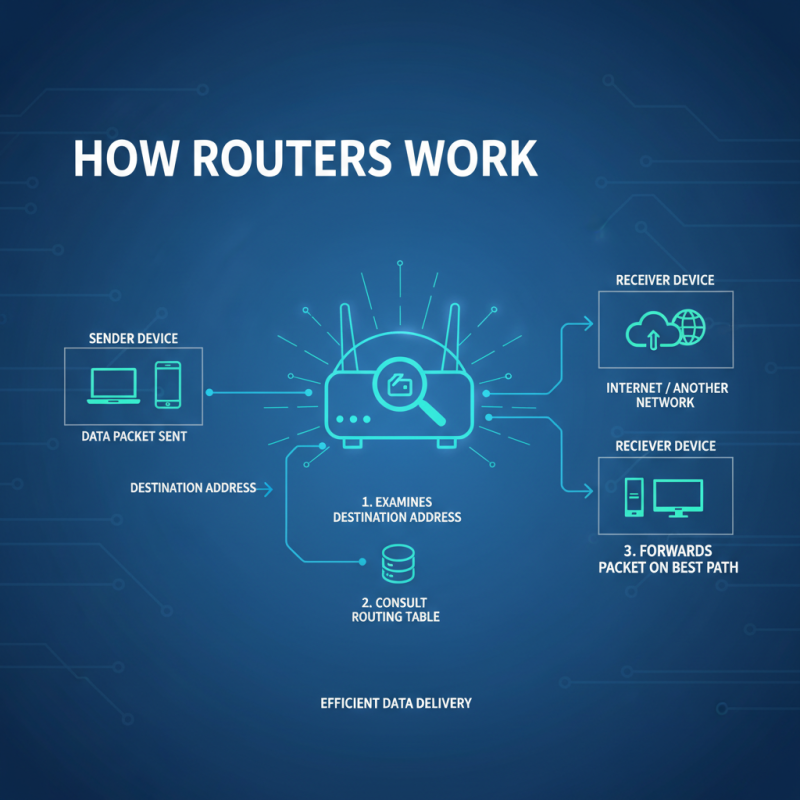
A router is a critical component in networking that directs data packets between different networks. At its core, a router connects multiple devices and ensures efficient data transfer, allowing these devices to communicate with each other and access the internet. The basic functions of a router include routing, forwarding, and translating the data packets. Each router maintains a routing table, which acts like a map that helps it determine the best path for sending data to its destination.
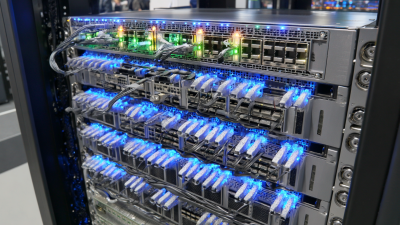
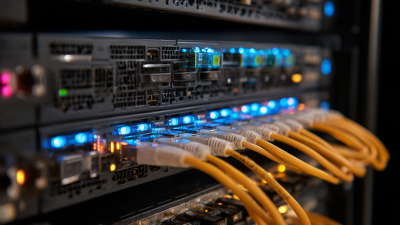
Fundamentally, routers consist of several key components that enable their operation. The central processing unit (CPU) is responsible for executing routing protocols and managing all the functions of the router. Memory, including random access memory (RAM) and read-only memory (ROM), is critical for storing the router's operating system and the routing table. Additionally, network interfaces are essential for physical connections; these may include Ethernet ports for wired connections and antennas for wireless communications. Together, these components work seamlessly to ensure data packets are appropriately directed, enhancing communication efficiency across networks.
How Routers Direct Data: Routing Mechanisms Explained
Routers play a crucial role in networking by directing data packets between devices and networks. At the core of their functionality is the routing mechanism, which determines the best path for data to travel from one point to another. When a data packet is sent across a network, it arrives at a router that examines the packet's destination address. This address contains critical information that the router uses to make informed decisions about where to forward the packet next.
There are various routing mechanisms that routers employ to efficiently manage data traffic. One common method is static routing, where predefined paths are configured by network administrators. While this allows for straightforward routing, it lacks flexibility. In contrast, dynamic routing enables routers to adjust their pathways based on current network conditions, utilizing protocols that gather information about the network's topology and traffic. These dynamic routing protocols, such as link-state and distance-vector algorithms, enable routers to communicate with one another, share routing information, and maintain optimal data flow even as network scenarios change. By employing these mechanisms, routers ensure that data packets reach their destinations efficiently and reliably.
Types of Routers and Their Applications in Networking
Routers are essential components in networking, acting as traffic controllers that direct data packets between different networks. There are several types of routers, each designed for specific applications and environments. One common type is the residential router, which connects home networks to the internet. These routers often provide features such as Wi-Fi connectivity, firewall protection, and DHCP services, making them suitable for everyday use in households.
In enterprise settings, various routers are employed to meet complex networking needs. For instance, core routers are integral to large networks and manage data traffic on a regional or global scale. They connect multiple networks and are responsible for high-speed data transfer, ensuring efficient communication across interconnected systems. Another type is the edge router, which sits at the boundary of a network, connecting to external networks and managing data entering or leaving the organization. Additionally, virtual routers are increasingly popular, allowing for flexible network design and the ability to scale resources efficiently within cloud environments. Each type of router serves a distinct purpose, optimizing network performance based on specific requirements and usage scenarios.
Router Types and Their Applications
This chart illustrates the distribution of different types of routers and their common applications in networking.
Common Issues and Troubleshooting Tips for Routers
Common issues with routers can often disrupt the smooth operation of networks, leading to frustration for users. One prevalent problem is connectivity issues where devices frequently disconnect or are unable to connect altogether. This can often be attributed to weak signals, interference from other devices, or simply being too far from the router.
To troubleshoot this, users should ensure the router is placed in a central location, away from obstacles and electronic devices that may cause interference. Performing a simple restart of the router can also resolve temporary glitches that affect connectivity.
Another common issue is slow internet speeds, which can stem from various factors, including network congestion, outdated firmware, or too many devices connected simultaneously. To address slow speeds, users should check the number of devices connected to the network and disconnect any unnecessary ones.
Ensuring the firmware is updated regularly is also essential, as manufacturers often release updates to improve performance and security. If slow speeds persist, users may want to consider changing channels on their router to avoid interference or upgrading their internet plan if usage demands exceed current capabilities.