What is an Ethernet Switch Network and How Does It Work?
The Ethernet Switch Network is a vital component in modern networking. According to Dr. Linda Chen, a renowned expert in network engineering, "The efficiency of an Ethernet Switch Network can transform how data flows." This statement highlights the importance of understanding how these networks operate.
Ethernet switches connect devices within a local area network (LAN). They ensure that data packets are directed to the correct devices, minimizing traffic congestion. Each switch learns the devices connected to it, building a dynamic map of addresses. However, this complex process can lead to challenges, such as potential bottlenecks.
In practice, Ethernet Switch Networks offer faster communication and improved performance. Yet, configuring these networks correctly can be a daunting task. Mistakes can lead to inefficient data transfer and network slowdowns. As technology evolves, so do the challenges in managing Ethernet Switch Networks. There's always room for improvement and reflection on current practices.

What is an Ethernet Switch?
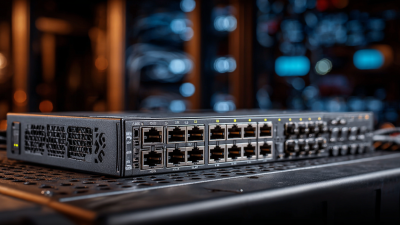
An Ethernet switch is a crucial device in modern networking. It connects multiple devices within a local area network (LAN). This allows them to communicate efficiently. Unlike a hub, an Ethernet switch reduces network congestion. It sends data only to the device that needs it. This targeted communication improves overall speed.
Switches operate using MAC addresses. Each device on a network has a unique address. When data is sent, the switch reads the address and forwards the data accordingly. This process minimizes delays, but it's not perfect. Occasionally, switches can become overwhelmed. They may mistakenly send data to the wrong device. Such errors can lead to confusion and lost information.
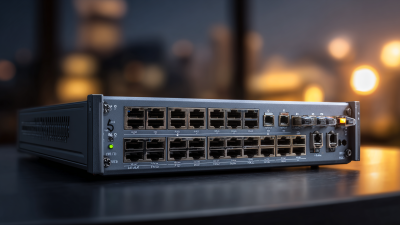
The design of an Ethernet switch contributes to its performance. Many have multiple ports for various devices. However, if too many devices are connected, performance can suffer. It's essential to monitor traffic and plan network design wisely. A thoughtful approach can prevent bottlenecks and ensure smooth operation. Regulatory compliance is vital too, to avoid potential issues.
What is an Ethernet Switch Network and How Does It Work? - What is an Ethernet Switch?
| Feature |
Description |
| Functionality |
Connects devices within a network and manages data traffic. |
| Types of Switches |
Managed, Unmanaged, Layer 2, Layer 3. |
| Ports |
Commonly range from 5 to 48 ports for connecting devices. |
| Data Transmission |
Uses MAC addressing to forward data to the correct destination. |
| Performance |
Can handle large amounts of traffic with minimal delay. |
| Applications |
Used in home networks, businesses, and data centers. |
| Security Features |
Can include port security and VLAN support for enhancing security. |
Key Components of an Ethernet Switch Network
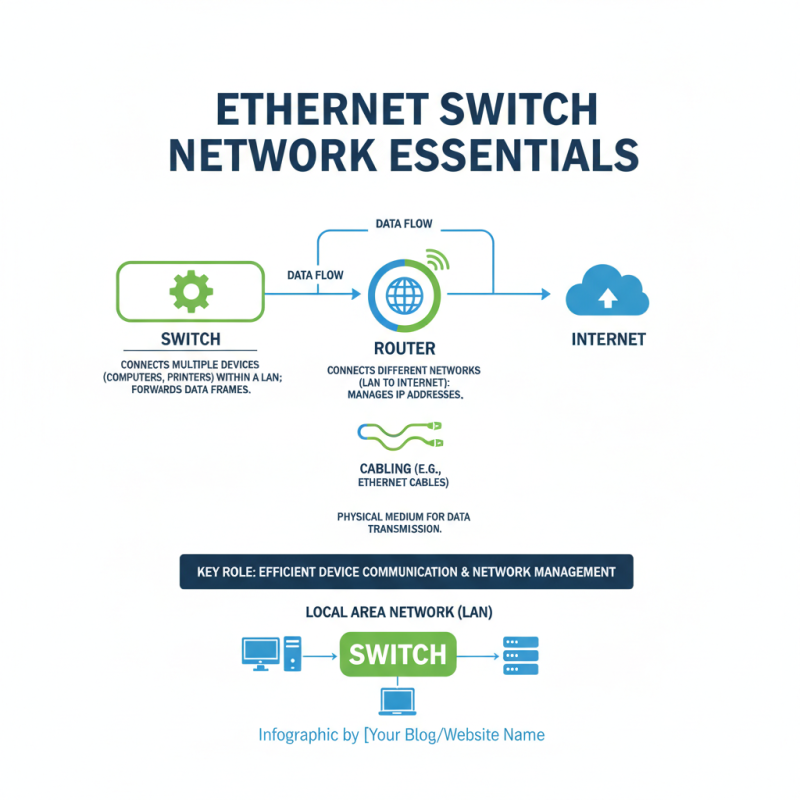
An Ethernet switch network is essential in modern networking. It connects multiple devices in a local area network (LAN), allowing them to communicate efficiently. Key components include switches, routers, and cabling. Each component plays a unique role in establishing a functional network.
Switches direct data packets to their destination. They operate at the data link layer, efficiently managing traffic. According to a report by MarketsandMarkets, the Ethernet switch market is projected to reach $33 billion by 2025. This growth underscores the importance of understanding how these devices function. Routers connect different networks, while cabling ensures data transmission.
**Tip:** Always assess the capacity of your switch. It should match your bandwidth needs. Consider that more devices require more ports. Evaluate the distance between devices to choose the right cabling type.
Using higher-quality cables can minimize data loss. Cat6 cables, for example, support higher speeds over longer distances. However, not all environments are best for every type of cable. Water damage or interference can cause issues.
**Tip:** Regularly inspect your network infrastructure. Signs of wear could signal a need for upgrades. Remember that what works today may not be suitable for your future needs.
How Ethernet Switches Operate: A Step-by-Step Guide
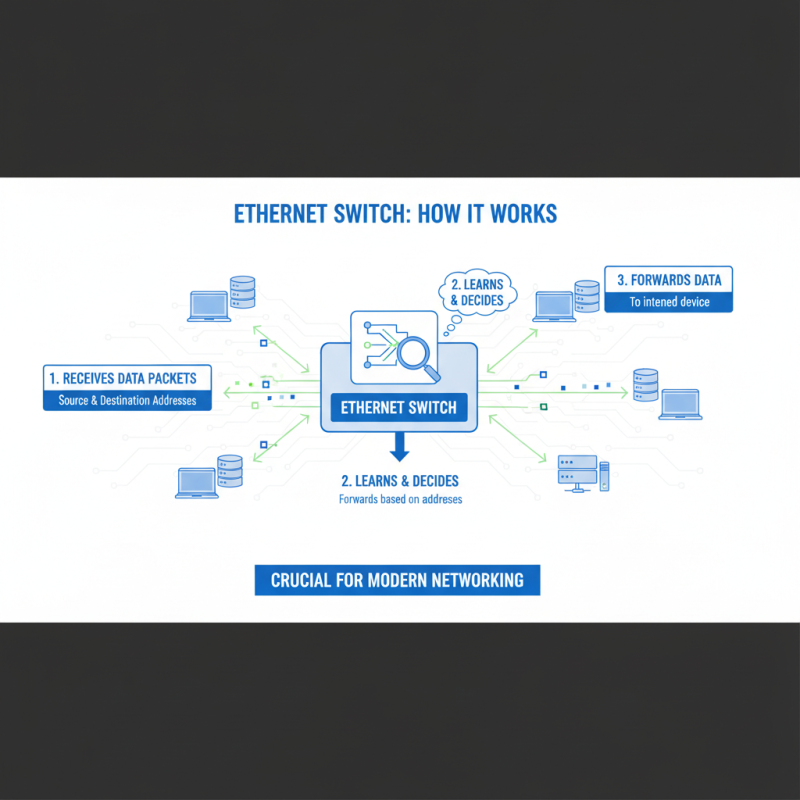
Ethernet switches are crucial components in modern networking. Initially, they receive data packets from connected devices. These packets contain source and destination addresses. The switch uses this information to determine where to forward the data.
The operation of an Ethernet switch can be broken down into several steps. When a device sends data, the switch captures the packet. It reads the destination address and checks its MAC address table. This table acts like a directory, mapping devices to specific ports. If the destination address is in the table, the switch forwards the packet to the appropriate port. If not, it sends the packet to every port except the source.
Although efficient, the process can sometimes lead to issues. Misconfigurations may result in broadcast storms. As devices change locations or settings, updating the MAC address table might be overlooked. This can create inefficiencies and slow down the network. Therefore, maintaining and monitoring the switch configuration is essential for optimal performance.
Types of Ethernet Switches and Their Applications
Ethernet switches play a pivotal role in modern networking. They come in various types, each serving unique purposes. Managed switches offer advanced features for network control. These switches allow for configuration, monitoring, and management. They are great for businesses that need customized settings.
Unmanaged switches, on the other hand, are simpler and more cost-effective. They require no configuration. Users can plug in devices, and everything works automatically. These are useful for small networks and home environments. They connect devices quickly without the complexity of management.
Furthermore, PoE (Power over Ethernet) switches are valuable for powering devices like IP cameras and phones. They simplify installations by eliminating the need for separate power sources. It’s puzzling, though, to see some businesses overlook the benefits of investing in quality switches. Choosing the right switch can enhance network efficiency significantly.
Benefits of Using Ethernet Switches in Networking
Ethernet switches play a crucial role in modern networking. They connect multiple devices within a network, allowing them to communicate effectively. One major benefit of using an Ethernet switch is improved data flow. Unlike a hub, which sends data to all devices, a switch sends data only to the intended recipient. This targeted delivery reduces network congestion and enhances overall performance.
Another advantage is scalability. Ethernet switches can easily connect additional devices without significant reconfiguration. Businesses can expand their networks smoothly as they grow. Moreover, switches often support advanced features like VLANs, which allow for better traffic management. However, managing these features can be complex. Users may find it overwhelming to optimize settings for their needs.
Ethernet switches also enhance security. They can isolate network traffic, making it harder for unauthorized users to access sensitive information. However, this security depends on the correct configuration. Poor setup can expose vulnerabilities. Despite these challenges, the benefits of Ethernet switches make them a popular choice in networking environments.