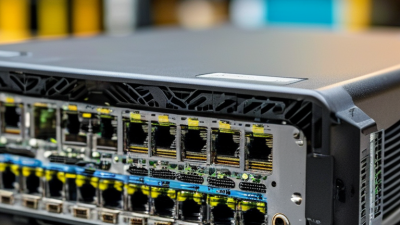
What to Consider When Choosing an Ethernet Switch Network?
When selecting an Ethernet Switch Network, it's crucial to consider various factors influencing network performance. According to a report by MarketsandMarkets, the Ethernet switch market is expected to reach $43.68 billion by 2026. This growth highlights the importance of making informed choices. The right switch can significantly enhance data transfer speeds and improve overall network efficiency.
Different network environments require tailored solutions. Factors such as the number of ports, switch types, and management capabilities must be assessed. A recent study from IDC suggests that nearly 60% of businesses undervalue the role of switches in network architecture. Ignoring this can lead to bottlenecks and inefficiencies.
Proper research and expert insights are essential. While many options exist, choosing a reliable Ethernet Switch Network involves understanding specific needs. Flaws in decision-making can result in increased costs and operational disruptions. Evaluating both current demands and future growth is vital for success.
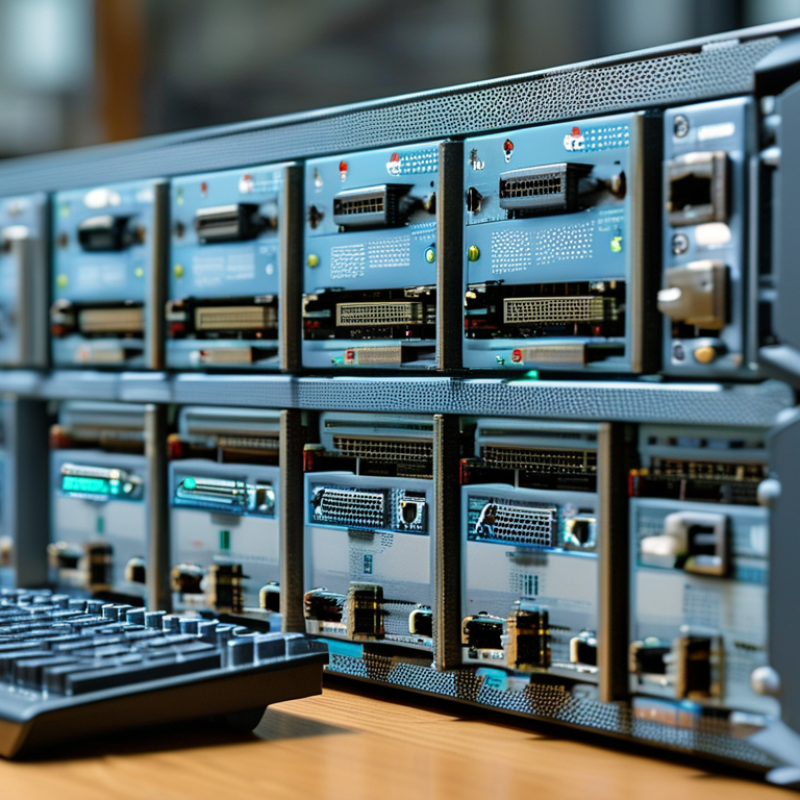
Types of Ethernet Switches: Managed vs. Unmanaged
When selecting an Ethernet switch, understanding the difference between managed and unmanaged types is crucial.
Unmanaged switches are simpler. They provide essential connectivity without requiring configuration.
These devices are ideal for small networks. They enable plug-and-play functionality, allowing users to connect devices quickly.
However, they lack advanced features and control. This can limit network performance and flexibility.
On the other hand, managed switches offer greater control over the network.
They allow for monitoring, managing, and configuring network traffic. This is beneficial for larger or more complex networks.
Features like VLAN support, port mirroring, and network security measures elevate their functionality.
With managed switches, you can troubleshoot issues more efficiently.
The trade-off is that they require a deeper understanding of networking.
Choosing between the two depends on your specific needs.
If basic connectivity is all you require, unmanaged switches suffice.
However, for environments where control and monitoring are key, managed switches are advisable.
Reflect on your current and future network demands. This assessment will guide your decision-making process.
Port Density: Assessing Your Network's Scalability Needs
When choosing an Ethernet switch network, port density is a crucial factor. It defines how many devices you can connect. If your business is growing, you need a switch that can scale with your needs. High port density allows for future expansion. A switch with many ports can support increased devices without requiring replacement. Think about your current and future requirements.
It’s important to assess your network’s scalability needs. A switch might have multiple ports, but how many are actually usable? Some ports may serve specialized functions. Additionally, consider the layout of your workspace. A compact environment may limit physical access to ports. This could hinder your ability to connect additional devices later on.
Balance your present requirements with potential growth. The wrong choice can lead to frustration or wasted resources. Invest time in understanding your network size, types of devices, and data traffic. These details can significantly impact your operational efficiency. Choose wisely, as the right switch can enhance productivity and adaptability.
Speed and Performance: Understanding Bandwidth Requirements
When it comes to choosing an Ethernet switch, bandwidth requirements play a crucial role in ensuring optimal speed and performance. Understanding the basics of bandwidth is essential. Current studies show that businesses require an average of 1 Gbps for standard operations. However, with the rise of cloud applications and high-definition video, many organizations find this insufficient. Network assessments often reveal that 10 Gbps can significantly enhance performance for demanding tasks.
Quality of Service (QoS) is another factor to consider. QoS features prioritize certain types of traffic, ensuring that critical applications function without interruption. For instance, VoIP and video streaming can benefit immensely from managed switches that support QoS. This can reduce latency, making communication smoother and more reliable.
When selecting a switch, remember to evaluate future scalability. Think about your organization's growth over the next few years. A switch that can't accommodate higher speeds or additional devices will quickly become a bottleneck. Monitor your current and projected bandwidth usage to make an informed decision.
Pay attention to your needs. Choosing the right Ethernet switch isn't just about current requirements. It's also about future-proofing your network for increased demands.
Network Security Features: Protecting Your Data Transmission
When selecting an Ethernet switch, network security should be a top priority. A good switch will provide features like VLANs and access control lists. These functionalities can segment network traffic, reducing the risk of unauthorized access. In today’s data-driven world, this added layer of security is essential.
Encryption capabilities can also enhance data protection. Look for switches that support protocols like IEEE 802.1AE. This ensures that data transmitted over the network remains secure from potential eavesdroppers. Regular firmware updates are vital as well; outdated software can expose vulnerabilities. Remember, frequent updates require diligence but significantly boost security.
It's crucial to reflect on your network’s needs. A feature-rich switch might be tempting, but not all networks require advanced capabilities. Weigh your options carefully. Ensure you choose a switch that matches your security requirements and operational scale. Balancing complexity with usability can sometimes be challenging but is necessary for safeguarding your data transmission.
Network Security Features of Ethernet Switches
Budget Considerations: Balancing Cost and Functionality
When it comes to selecting an Ethernet switch, budget plays a pivotal role. It's essential to strike a balance between cost and the necessary functionality. High-priced models often feature advanced functionalities that enhance performance. However, lower-priced options may suffice for basic needs. Assessing your real requirements is crucial. Are you setting up a small office network or something larger?
Features like port count and speed can significantly affect pricing. A switch with multiple ports and higher speeds will typically cost more. But, if your network doesn’t require that capacity, investing in these features may be wasteful. It’s vital to avoid overspending on unnecessary functionalities. When comparing options, consider potential future expansion as well.
Additionally, think about maintenance costs. A cheaper model may seem attractive initially, but poor build quality could lead to high failure rates. This might result in unexpected expenses later on. Sometimes, investing a bit more upfront can save money over time. A cheaper switch may also lack customer support and documentation, making troubleshooting difficult. Always reflect on the long-term implications of your choices.