
Buying a Juniper Mx304 for global procurement requires more than comparing online prices. This platform may support demanding routing, aggregation, and edge deployments, but suitability depends on verified capacity, interfaces, software features, and support requirements. Procurement teams should begin with a clear deployment profile. Record expected throughput, port types, redundancy needs, rack conditions, power standards, and regional service expectations. Small omissions become expensive later.
A reliable purchase process should use current Juniper documentation and quotations from authorized partners or established distributors. Confirm the exact hardware configuration, licenses, software release, warranty terms, and technical support level. Check whether the proposed unit is new, refurbished, or previously deployed. Serial-number validation and written condition reports add practical protection. They also reduce disputes across borders.
Global delivery requires careful attention to export controls, customs documentation, taxes, insurance, currency risk, and Incoterms. Local approval requirements may differ between countries. Do not assume one quotation covers every destination. A lower unit price can hide unavailable spares, long lead times, or costly support limitations. One detail is easy to miss.
This guide explains how to compare suppliers, validate technical claims, estimate the total landed cost, and manage procurement risk when sourcing Juniper Mx304 equipment internationally. It also recognizes an uncomfortable truth: even a well-designed checklist can miss changing availability or regional restrictions. Recheck critical details before payment. Use evidence, not urgency, to make the final decision.
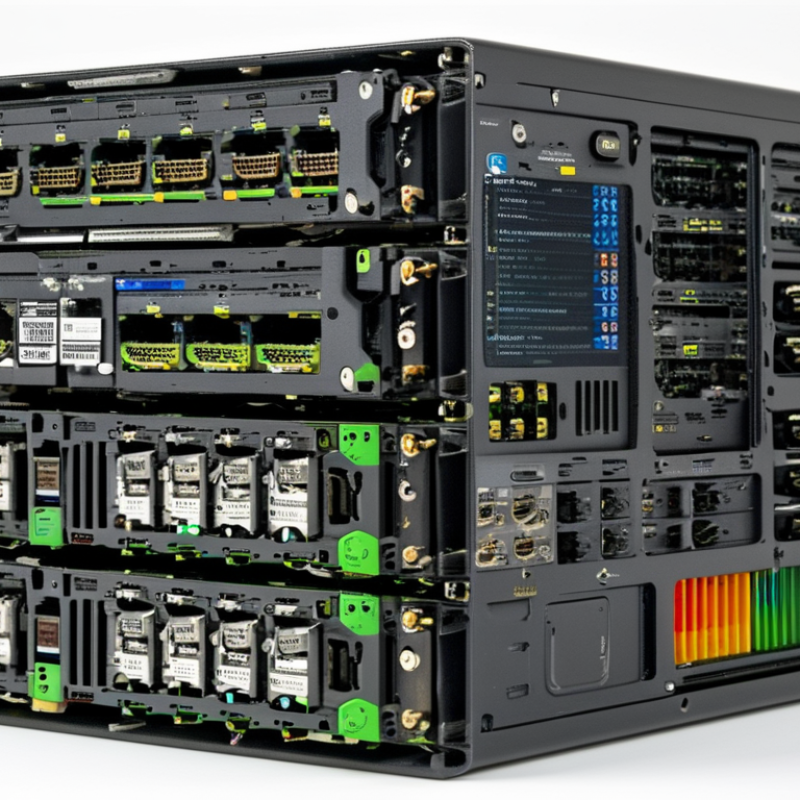
The MX304 is a compact 4-RU routing platform designed for high-capacity aggregation and edge deployments. Its stated capacity can reach up to 4 Tbps, with support for high-speed 100GbE and 400GbE interfaces. This suits internet service providers, data centers, and multinational enterprises managing dense traffic flows. TeleGeography’s 2024 Global Internet Geography report recorded more than 1,200 Tbps of international bandwidth in use worldwide. That growth makes port density and upgrade flexibility important procurement factors.
The platform also supports redundant power and control components, which can reduce service interruptions during maintenance. However, published throughput is not equal to real production performance. Packet size, routing tables, encryption, and software features can change the result. Dell’Oro Group’s 2024 service provider router research identifies 400GbE deployment as a key capacity upgrade trend. Buyers should therefore compare tested forwarding rates, interface licensing, cooling requirements, and local support coverage. Small details matter.
Tips: Request a written bill of materials before ordering. Confirm power input, rack depth, optics compatibility, warranty response, and regional import requirements. Ask for customer references in a network environment similar to yours. A pilot test is wise. Do not rely on brochure figures alone. Procurement teams should also calculate three-year energy, maintenance, and spare-part costs, because the lowest purchase price may not deliver the lowest operational cost.

How to Buy a High-Capacity Edge Router for Global Procurement?
Regional procurement should begin with traffic reality, not a preferred configuration. A global team should map data centers, cable routes, power standards, rack depth, and local support coverage. The same edge router may fit one region yet fail another because of voltage, cooling, or import documentation. Check whether the target country permits the proposed communications equipment for commercial deployment. Confirm customs classifications, encryption declarations, radio restrictions, and end-user screening with qualified local counsel. These checks are practical, not paperwork.
Procurement eligibility also depends on the seller. Verify authorized distribution, warranty coverage, service-level commitments, delivery times, and regional certifications. Ask for serial traceability, factory-sealed packaging, test reports, and lifecycle notices. A site in Singapore may need different power and support arrangements than one in Frankfurt. Build a regional bill of materials, then validate it against local tax and purchasing rules. In my experience, teams often focus too heavily on unit price. That can be costly. A cheaper device may create months of delay.
Tips: Request written confirmation for every regional requirement. Run a small pilot before placing a large order. Record assumptions, even uncertain ones. Leave room for doubt. A local engineer may identify a cooling, connector, or maintenance issue that central procurement missed. Recheck the plan before payment.
Assessing regional power requirements before procurement eligibility review
The chart compares representative nominal commercial supply voltages used in major procurement markets. These values support an initial power-compatibility assessment; buyers should confirm the exact facility voltage, frequency, plug standard, electrical certification, import documentation, and local network-equipment regulations before placing an order. Values are based on commonly used national low-voltage supply standards.
Buying an MX304-class routing platform for global deployment requires more than finding the lowest online price. Start with authorized suppliers that can provide verifiable business details, current channel credentials, and written warranty coverage. Ask for the exact hardware configuration, software entitlement, power accessories, and delivery condition. A professional supplier should answer clearly and provide a formal quotation.
Compare quotes on the same basis. Check currency, Incoterms, shipping method, customs responsibilities, taxes, lead time, payment terms, and return conditions. A quote that looks cheaper may exclude freight or regional support. Request serial-number verification and confirmation that the unit is new, unused, and compatible with your intended market. Keep every detail in one comparison sheet.
My earlier procurement reviews focused too much on unit price. That was a mistake. Support response time mattered more during deployment. Ask whether the supplier offers installation guidance, replacement handling, and escalation contacts across time zones. Short answers can be warning signs. So can vague stock claims.
Use evidence, not promises. Compare at least three qualified suppliers and record the date of each quote. Prices change quickly. A small specification mismatch can create expensive delays, especially when multiple sites await the same shipment. The best source is not always the cheapest one. It is the one that makes ownership predictable.
When buying an MX304 for global procurement, verify authenticity before discussing price. Request clear photos of the chassis label, serial number, power supplies, and shipping carton. The numbers must match across the quotation, packing list, and device interface. A clean box proves little. Ask for the original purchase record or an authorized distribution trail. Confirm that the unit is new, unused, and not refurbished unless the contract states otherwise.
Licensing requires closer inspection. Request a written list of included software features, subscription terms, activation dates, and transfer conditions. Check whether licenses are perpetual, temporary, or tied to a specific serial number. A low equipment price may hide missing routing, security, or automation entitlements. Have an engineer compare the proposed configuration with the network design. Procurement teams sometimes approve hardware too early. That mistake can create unexpected operating costs.
Warranty coverage should be documented by serial number. Confirm the start date, service region, response time, replacement process, and exclusions for shipping or installation damage. Ask whether support begins at shipment, delivery, or customer acceptance. Keep photos of the sealed package and record the inspection time. These details support a claim if the device arrives damaged or mismatched. I would also request a written statement confirming license ownership and warranty eligibility. Verbal assurances are easy to misunderstand. Even experienced buyers miss this step.
| Category | Data Dimension | Reference Data or Procurement Requirement | Recommended Verification Evidence | Priority |
|---|---|---|---|---|
| Product Identity | Model identifier | MX304 Universal Routing Platform. The exact model designation should appear consistently on the quotation, packing list, chassis label, and commercial invoice. | Compare the model number and serial number across photographs, shipping documents, and the official product-support record. | Required |
| Product Identity | Chassis form factor | 4U rack-mount chassis designed for installation in a standard 19-inch equipment rack. | Check the mechanical drawing, rack-unit height, mounting hardware, and chassis measurements before shipment. | Confirmed |
| Product Identity | Installation location | Verify rack depth, aisle clearance, grounding, airflow direction, and local electrical requirements at the destination site. | Use the applicable hardware installation guide and obtain a site-readiness checklist signed by the receiving facility. | Required |
| Hardware Configuration | Power architecture | The platform supports field-replaceable power components; the ordered power-input type and quantity must match the deployment plan. | Request a component-level bill of materials showing power-supply type, quantity, input range, and regional power-cord requirements. | Required |
| Hardware Configuration | Interface configuration | MX304 configurations can include high-density Ethernet interfaces. Port speed, optics, breakout options, and interface-module quantities must be specified in the order. | Validate the configuration against the approved network design and check that every optical module has a compatible part number and speed rating. | Required |
| Hardware Configuration | Optics and transceivers | Transceivers and cables may be ordered separately from the chassis. Optical reach, connector type, wavelength, and Ethernet standard must match the link design. | Require an itemized optics list, manufacturer coding where applicable, serial-number records, and compatibility confirmation before dispatch. | Required |
| Authenticity | Serial-number validation | Each chassis, power component, interface module, and eligible optical component should have traceable identification where applicable. | Validate serial numbers through the official support or entitlement portal and compare the returned model, shipment region, and product status. | Required |
| Authenticity | Condition of goods | Clearly distinguish new, factory-refurbished, used, demonstration, and recertified equipment. Do not accept “new surplus” without written condition details. | Request dated photographs, factory seals where applicable, operating-hour information if available, and a written condition statement. | Required |
| Authenticity | Supply-chain documentation | The commercial chain should be transparent from seller to final consignee, including export documents and a serialized packing list. | Review the quotation, purchase order, invoice, packing list, certificate of origin, and export-control documentation for consistency. | Required |
| Software | Operating-system entitlement | Confirm that the delivered hardware is entitled to the intended Junos operating-system release and that the software image is obtained from an authorized download channel. | Verify the entitlement record, supported-release matrix, software download rights, and the installation image checksum. | Required |
| Licensing | Feature licenses | Advanced routing, automation, telemetry, security, or service-provider features may require separate software subscriptions or feature entitlements. | Request a license schedule listing feature name, license type, quantity, start date, term, renewal date, and device association. | Verify |
| Licensing | Subscription ownership | Licenses should be registered to the purchasing organization or its approved regional operating entity, not to an unrelated reseller or previous owner. | Check the entitlement-account ownership, transfer conditions, geographic restrictions, and administrator access before payment. | Required |
| Licensing | Term and renewal control | Separate perpetual rights, time-limited subscriptions, support contracts, and evaluation licenses. Record renewal dates in the procurement system. | Obtain written confirmation of license duration, renewal pricing basis, grace period, and consequences of non-renewal. | Required |
| Warranty | Warranty start date | Warranty commencement may depend on shipment, invoice, installation, or registration terms. The applicable start rule must be confirmed in writing. | Check the warranty certificate, sales order, serial-number lookup result, and destination-country terms before accepting delivery. | Required |
| Warranty | Warranty duration and scope | Confirm coverage for the chassis, power supplies, interface modules, fans, optics, and accessories individually; coverage can differ by component. | Request the complete warranty statement, exclusions, response target, replacement method, and coverage period for every serialized item. | Verify |
| Warranty | Regional service eligibility | Global deployment requires confirmation that repair, replacement, return-material authorization, and technical support are available in the destination country. | Obtain written regional-support confirmation and verify local return addresses, customs responsibility, and cross-border replacement procedures. | Required |
| Logistics | Export and import compliance | Routing equipment, encryption-enabled software, and optical components may be subject to export-control, import, customs, or end-use requirements. | Confirm tariff classification, export-control status, end-user statement, import permits, and responsibility for customs clearance. | Required |
| Acceptance | Receiving inspection | Inspect packaging, shock indicators, moisture evidence, chassis condition, labels, accessories, and serial numbers immediately upon arrival. | Use a signed receiving checklist with photographs and record discrepancies before the shipment is released from provisional acceptance. | Required |
| Acceptance | Functional test | Perform power-on diagnostics, management access, software boot verification, interface recognition, alarm review, and basic traffic testing. | Store diagnostic output, software version, hardware inventory, interface status, test results, and acceptance date in the asset record. | Required |
| Commercial Control | Payment release condition | Make final payment conditional on successful authenticity, entitlement, serial-number, warranty, and functional acceptance checks. | Include inspection rights, non-conforming-goods remedies, license-transfer obligations, warranty obligations, and return terms in the purchase contract. | Required |
Note: Exact hardware options, software entitlements, warranty terms, regional support availability, and delivery contents depend on the selected configuration, sales channel, destination country, and purchase date. Obtain written confirmation for the specific serial-numbered equipment before payment.
How to Buy Juniper MX304 for Global Procurement?
International procurement of a high-capacity network router requires more than comparing unit prices. UNCTAD reports that over 80% of global merchandise trade by volume moves by sea. That makes port congestion, weather, and container availability important planning factors. Request a commercial invoice, packing list, country of origin, serial numbers, and export classification before dispatch. Confirm whether the shipment needs air freight for urgent deployment. Use clear Incoterms 2020 terms, insurance coverage, and a named customs broker.
Customs delays often come from inconsistent descriptions or missing technical documents. The World Bank’s Logistics Performance Index 2023 evaluates customs, infrastructure, tracking, and timeliness. These factors should guide your route and partner selection. Ask the supplier for delivery milestones, shock-resistant packaging, and photos before shipment. After arrival, verify the chassis, power modules, optics, and accessories against the packing list. Deployment support should include rack installation guidance, software compatibility checks, configuration review, and remote troubleshooting. Support coverage must match local working hours and escalation needs. A simple handover checklist prevents expensive rework. It is not perfect, but it exposes gaps early.
Tips: Keep one document owner. Share the final configuration with customs and engineering teams. Allow buffer time for inspections. Do not assume the fastest freight option is the safest. Maintain a tested rollback plan, because field conditions can differ from the original design.