Leave Your Message

Exploring the Advantages of Juniper Networks SRX Series for Next Generation Network Security

As organizations increasingly embrace digital transformation, the need for robust and adaptive cybersecurity solutions has never been more critical. According to a recent report by Gartner, by 2024, 75% of organizations will experience a significant increase in the number of cybersecurity incidents due to the growing complexity of their IT environments. In this landscape, the Juniper Networks SRX Series stands out as a formidable solution for next-generation network security, offering comprehensive protection against a wide array of threats. The SRX Series integrates advanced features such as unified threat management (UTM), intrusion prevention, and application visibility, enabling organizations to proactively defend their networks. A report by IDC highlights that organizations leveraging the Juniper Networks SRX Series can reduce the mean time to detect (MTTD) and respond (MTTR) to incidents by over 40%, illustrating the solution's effectiveness in enhancing security posture.
Exploring the Advantages of Juniper Networks SRX Series for Next Generation Network Security

Understanding SRX Series Architecture for Enhanced Security

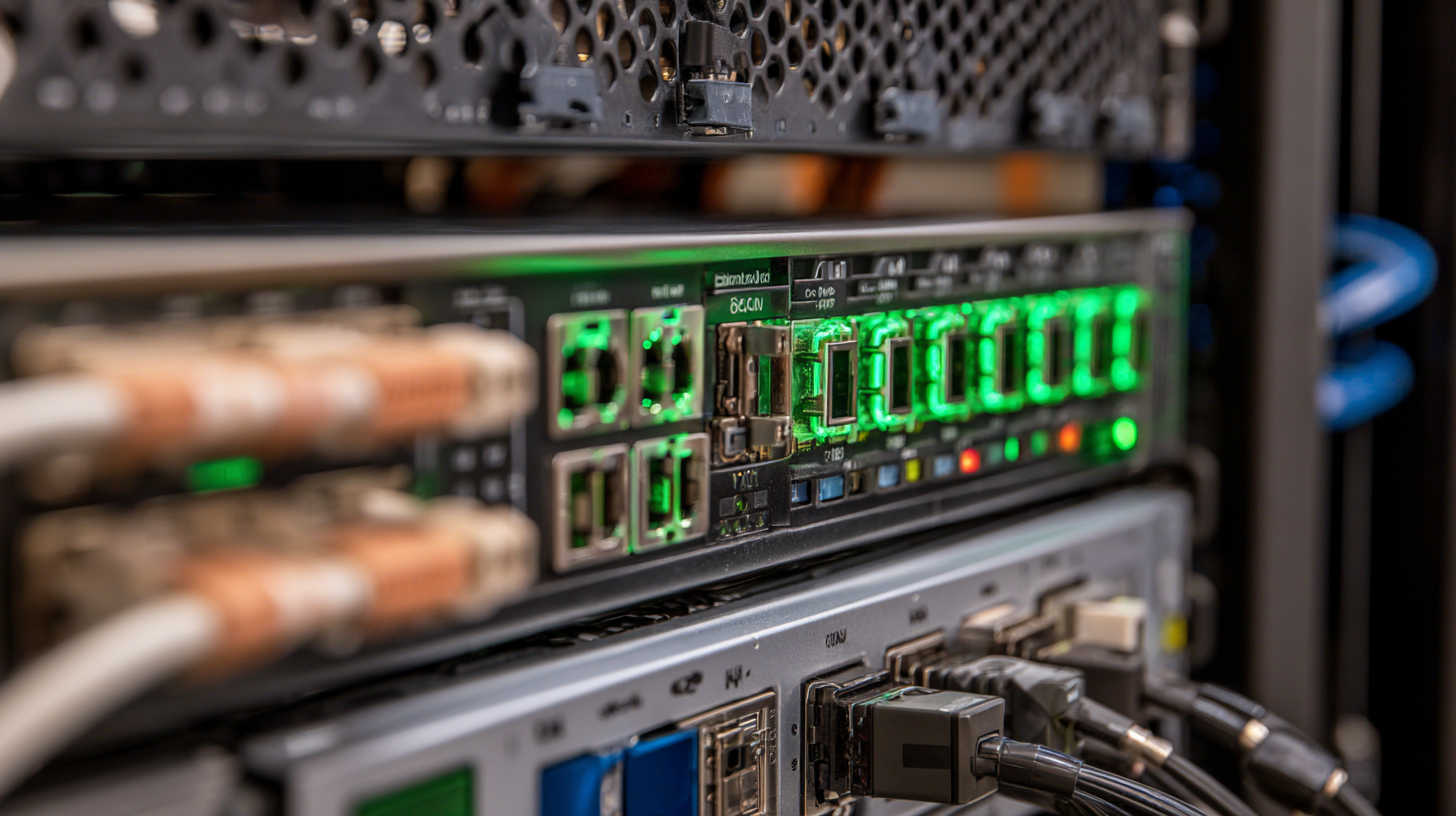
The SRX Series from Juniper Networks is designed to provide robust security solutions for modern network infrastructures. At the core of its architecture is a combination of high-performance hardware and advanced software capabilities that work together to deliver comprehensive protection against a variety of cyber threats. With its unique Security Processing Units (SPUs), the SRX Series can process security policies at unprecedented speeds, ensuring that network performance remains unaffected even under heavy traffic loads.

Tips: When configuring the SRX Series, pay close attention to the zone-based firewall settings. By grouping interfaces into distinct security zones, you can implement tailored security policies that better defend against targeted attacks, improving your overall network posture.

Moreover, the SRX Series supports a range of next-generation security features, including intrusion prevention systems (IPS), advanced threat intelligence, and unified threat management (UTM). This holistic approach to security not only simplifies management but also enhances visibility into network traffic, allowing for quicker response times when incidents occur.

Tips: Regularly update the threat intelligence feeds to ensure the SRX Series remains effective against new and evolving threats. Automating this process can significantly reduce the administrative burden and improve your security readiness.
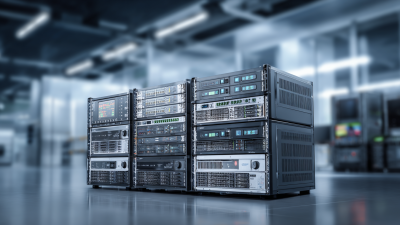
Exploring the Advantages of Juniper Networks SRX Series for Next Generation Network Security

Key Features of Juniper Networks SRX Series in Modern Security Solutions

The Juniper Networks SRX Series stands out as a robust solution for modern network security, offering features specifically designed to tackle the evolving cybersecurity landscape. One of the key attributes of the SRX Series is its integrated threat intelligence, which leverages real-time data to proactively defend against a myriad of threats. This intelligence allows organizations to adapt quickly as new vulnerabilities emerge, ensuring a proactive approach to network protection.

Tips for maximizing the effectiveness of the SRX Series include regular updates and device monitoring. Maintaining the latest firmware and security patches helps safeguard against emerging threats. Additionally, setting up alerts for unusual activities can provide early warnings, allowing for swift incident response.

Another notable feature is the built-in secured VPN capabilities within the SRX Series. This not only facilitates secure connections for remote workers but also strengthens the overall defense perimeter of the organization. By implementing secure access protocols and encryption standards, businesses can simultaneously enhance productivity and shield sensitive information from potential breaches.

Advantages of Next Generation Network Security

This chart illustrates the importance of various key features of next generation network security solutions, highlighting the critical role of firewall protection and high availability in today's security landscape.

Comparative Analysis: SRX Series Versus Traditional Firewall Solutions

In today's rapidly evolving cybersecurity landscape, the Juniper Networks SRX Series has emerged as a robust alternative to traditional firewall solutions. A recent industry report from Gartner highlights that organizations increasingly face sophisticated threats, with 62% of security breaches originating from the network layer. The SRX Series leverages advanced threat intelligence and automation to respond to such threats more effectively than traditional firewalls, which often rely on static rules and manual updates.

Moreover, the SRX Series integrates unified threat management (UTM) capabilities, including intrusion prevention systems (IPS) and application awareness. According to a study by NSS Labs, next-generation firewalls like the SRX Series demonstrated a 95% effectiveness rate against known exploits, contrasting sharply with the average performance of legacy firewalls, which only clock in at around 70%.

This superior efficacy not only enhances security posture but also reduces operational overhead, allowing IT teams to focus on strategic initiatives rather than routine threat management tasks. With the average cost of a data breach estimated at $3.86 million (IBM Security), investing in a comprehensive solution like the SRX Series can lead to significant cost savings and business continuity.

Integrating SRX Series into Existing Network Infrastructure

Integrating the Juniper Networks SRX Series into existing network infrastructure offers a seamless enhancement to security protocols while preserving operational efficiency.

The SRX devices are designed with interoperability in mind, allowing organizations to merge advanced security features with their current setups without significant disruption. This integration not only fortifies the network against evolving threats but also ensures that legacy systems continue to function effectively alongside new technologies.

Furthermore, the SRX Series provides a unified security architecture that simplifies management and reduces complexity. By leveraging centralized management capabilities, network administrators can easily monitor traffic, configure security policies, and respond to incidents across all connected devices.

This streamlined approach not only helps in maintaining security compliance but also enhances the ability to scale the network as business needs evolve. The combination of advanced threat prevention, deep packet inspection, and integrated analytics makes the SRX Series an ideal choice for organizations seeking to augment their existing security frameworks efficiently.

Best Practices for Configuring SRX Series for Optimal Performance

The Juniper Networks SRX Series offers robust security solutions tailored for next-generation networks. Configuring SRX devices for optimal performance is essential for maximizing their capabilities. According to a report by Gartner, enterprises are increasingly turning to integrated security solutions, noting that by 2025, over 70% of organizations will rely on a security platform that encompasses network security and threat detection within the same architecture. This emphasizes the importance of correctly setting up SRX Series, as it not only serves to protect against external threats but also enhances operational efficiency.

Exploring the Advantages of Juniper Networks SRX Series for Next Generation Network Security

To achieve peak performance with the SRX Series, organizations should prioritize several best practices. First, fine-tuning high availability (HA) configurations ensures seamless failover processes that maintain service continuity. Implementing advanced threat prevention features, such as Unified Threat Management (UTM), has been shown to improve threat detection rates by over 30%, as highlighted in a recent IDC study. Furthermore, regularly updating firewall policies and utilizing analytics for proactive monitoring can significantly enhance the security posture of the SRX deployment, enabling organizations to respond to emerging threats more effectively. By integrating these best practices, organizations can leverage the full potential of the Juniper SRX Series in their security strategies.