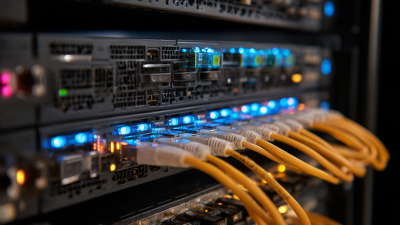
The 2026 Juniper Networks For Sale market is changing quickly across North America, Europe, Asia-Pacific, and the Middle East. Buyers can find new switches, refurbished routers, security appliances, optics, and maintenance-supported systems. However, the lowest price is not always the strongest deal. A discounted MX router may look attractive, yet missing licenses, outdated firmware, or limited support can increase its real cost.
Rami Rahim, former Juniper Networks chief executive, said, “The network is the foundation of the digital world.” That principle still matters when comparing worldwide offers. A reliable purchase should connect price with performance, product history, warranty coverage, and regional compatibility. Buyers should inspect serial numbers, hardware condition, software entitlements, and delivery terms before approving an order. Small details matter.
This guide examines the best Juniper Networks For Sale opportunities expected in 2026. It considers enterprise networks, data centers, cloud environments, branch offices, and service-provider infrastructure. It also compares authorized channels with reputable secondary-market suppliers. No listing is perfect. Some sellers provide excellent equipment but weak documentation. Others advertise generous warranties with unclear replacement procedures. That deserves attention.
Real purchasing experience often reveals an uncomfortable truth: a cheap device can become expensive after installation. Customs charges, power requirements, transceiver compatibility, and technical support may change the final calculation. Regional availability also shifts rapidly. Therefore, this overview focuses on practical value, trustworthy sourcing, and measurable network needs rather than attractive headlines alone. Prices and inventory can change, so readers should verify current specifications directly with qualified sellers before committing.
In 2026, enterprise networking products fall into clear categories: routing, switching, wireless access, security gateways, and software-defined wide-area networking. Each category serves a different operational need. Routers connect branches and data centers, while switches organize traffic inside offices or server rooms. Wireless systems support dense workplaces, warehouses, and campuses. Security gateways inspect traffic and separate sensitive workloads. SD-WAN can simplify connections across cloud services and remote sites.
Demand is becoming more measurable. Synergy Research Group reported global cloud infrastructure service revenue of about $82 billion in the first quarter of 2025, growing 23% year over year. That expansion increases pressure on network capacity, visibility, and automation. Independent industry forecasts also show continued growth in data-center switching, driven by artificial intelligence workloads. Yet, faster hardware is not always the right answer. A small branch may need stable routing and secure wireless, not expensive high-capacity equipment. I have seen planning mistakes begin with impressive specifications, not real traffic data.
Tips: Map users, applications, and peak traffic before comparing deals. Check port speeds, power supplies, firmware access, licensing, and warranty terms. For global purchases, confirm voltage compatibility and regional support. Used equipment can reduce costs, but its remaining service life may be uncertain. That matters. Measure twice.

Evaluating global network equipment deals requires more than comparing unit prices. Start with the exact hardware, software release, optics, licenses, and support term. Ask for serial-level age data and written compatibility confirmation. Old stock looks attractive. IDC’s 2024 Worldwide Quarterly Ethernet Switch Tracker reported double-digit market growth, increasing buyer choice but also supplier complexity. Compare landed cost, not invoice cost. Include freight, regional taxes, currency exposure, installation, and five-year support. A low quotation may hide expensive renewals or unavailable parts.
Reliability deserves equal weight. The Uptime Institute’s 2024 Global Data Center Survey found that 54% of respondents faced outage costs above $100,000. Sixteen percent exceeded $1 million. Request failure-rate evidence, replacement timelines, and local technical coverage. Test routing, automation, security controls, and observability with your existing environment. Lab testing is cheaper. Check power draw, rack depth, fan noise, and spare-part availability in every target region. Confirm software update dates, escalation ownership, and service-level remedies in writing. I have seen a spreadsheet pass every check, then fail on support exclusions. That uncomfortable gap deserves a price before signing.
Finding reliable networking equipment sellers worldwide requires more than comparing prices. Start with established marketplaces, specialist resellers, and regional distributors with verifiable business details. Check the company address, registration information, trading history, and customer feedback across several platforms. A polished website is not enough.
Ask for the exact model, hardware condition, firmware status, and available accessories. Request clear photos of the chassis, ports, labels, and serial information. Reliable sellers usually explain whether equipment is new, refurbished, or previously installed. They should also provide testing records, warranty terms, return conditions, and secure payment options. Small details matter.
Confirm shipping arrangements before ordering. Ask how the equipment will be protected against moisture, impact, and static electricity. Verify import requirements and power compatibility for your destination. Regional support can save time when a replacement is needed. Independent technical references are useful, especially for large purchases.
I have learned that a low price can hide missing modules or limited support. A clean listing may still reveal little about actual testing. That is worth questioning. Speak with the seller directly and notice whether answers are precise or evasive. Keep written records of specifications, agreed accessories, delivery dates, and warranty promises. When possible, purchase one unit first and test it under realistic network conditions. A cautious trial may feel slower, but it can expose compatibility problems before a larger order.
When comparing global enterprise networking equipment deals, avoid judging price alone. IDC’s Worldwide Ethernet Switch Tracker reported 16.3% year-over-year market growth in the fourth quarter of 2024. Strong demand can raise prices for current models, while older inventory may offer better value. Ask for the exact model, software version, port licenses, power supplies, and shipping terms. A low quote may exclude essential components.
Warranty language deserves close reading. Check coverage length, replacement speed, support hours, and international return procedures. “Three years” means little if replacement requires cross-border shipping. Uptime Institute’s 2024 outage analysis found that 54% of reported serious incidents cost below $100,000, but 15% exceeded $1 million. A rapid replacement service can therefore matter more than a small purchase discount. Confirm whether refurbished units receive full testing reports, serial-number verification, and burn-in results.
Condition grading should be practical, not decorative. New equipment should have sealed packaging and matching serial records. Used equipment needs clear photos of fans, rack ears, ports, and labels. Refurbished equipment should include test dates and failure-screening details. I have seen “excellent condition” units arrive with dusty vents and missing mounting screws. That wording is too vague. Compare the final delivered cost, warranty risk, and installation labor. Keep every promise in writing.
How to compare prices, warranties, and product conditions
The chart uses a normalized price index where new equipment equals 100. Refurbished and used equipment generally costs less but usually includes shorter warranty coverage and return windows. Always verify serial numbers, included accessories, firmware eligibility, test reports, and the seller’s written warranty before purchasing.
Warranty and return periods vary by seller, region, and contract. Values are practical comparison benchmarks rather than guaranteed listing terms.
Finding the best 2026 network equipment deals requires more than comparing prices. Experienced buyers check model numbers, port counts, firmware support, and physical condition. A low-cost unit may lack accessories or carry outdated software. Details matter.
International purchasing adds practical risks. Confirm the seller’s legal identity, stock location, warranty terms, and return process before payment. Request clear photos, serial records, test results, and a commercial invoice. The invoice should state accurate descriptions, quantities, values, and applicable tariff classifications. Do not accept vague paperwork. Customs delays can erase a discount quickly.
Shipping requires equal attention. Match the equipment’s voltage and plug type with the destination country. Use shock-resistant packaging, moisture protection, tracking, and transport insurance. Agree on Incoterms in writing, because duties, taxes, and delivery responsibility can change significantly. Buyers should also review export controls, import rules, data protection requirements, and local certification obligations. A licensed customs broker can verify uncertain points. That takes time.
Refurbished hardware may offer strong value, but inspection standards vary between suppliers. Ask whether storage devices were securely erased and whether replacement parts are genuine and documented. I still see buyers focus too heavily on the purchase price. That is an imperfect habit. A slightly higher quote may provide better testing, safer shipping, and more reliable support. Keep records of every message, document, and inspection result. Procurement becomes easier to defend when each decision has evidence.
Indicative planning guide for internationally sourced network infrastructure equipment
| Equipment Category | Typical Condition | Indicative Unit Price | Common Sourcing Region | Estimated Lead Time | Preferred Shipping Method | Core Compliance Checks | Commercial Risk Controls |
|---|---|---|---|---|---|---|---|
| High-capacity Ethernet switches | New, surplus, or professionally refurbished | US$1,500–US$18,000 | North America, Western Europe, East Asia | 1–8 weeks | Air freight for small lots; ocean freight for pallets | HS classification, import licensing where applicable, electrical safety, radio functionality if integrated | Require serial-level inventory, configuration details, burn-in testing, and a written warranty |
| Edge routing platforms | Refurbished or tested used equipment | US$800–US$9,500 | North America, Europe, Southeast Asia | 2–10 weeks | Express air for urgent replacements; consolidated air for projects | Country-of-origin evidence, export-control screening, telecom approval, import tax assessment | Check software entitlement, interface modules, power supplies, and end-of-support status |
| Network security appliances | New or certified refurbished | US$1,000–US$12,000 | North America, Europe, selected Asian hubs | 2–12 weeks | Tracked air freight with tamper-evident packaging | Encryption regulations, cybersecurity import rules, data-wipe certificate, electrical conformity | Obtain a signed factory-reset report and confirm that subscriptions are transferable |
| Data-center optical modules | New, tested surplus, or compatible replacement | US$40–US$2,500 | East Asia, North America, European distribution centers | 3 days–6 weeks | Express parcel service with moisture protection | Laser safety labeling, technical specifications, origin documentation, tariff classification | Validate wavelength, connector type, reach, temperature rating, and interoperability before purchase |
| Wireless access infrastructure | New or lightly used | US$150–US$2,000 per unit | North America, Europe, Asia-Pacific | 1–8 weeks | Air freight; bulk orders may use ocean freight | National radio certification, permitted frequency bands, wireless security requirements | Confirm regional hardware variant, power adapters, controller compatibility, and regulatory markings |
| Rack servers for network services | Refurbished or ex-data-center | US$600–US$7,500 | North America, Europe, Australia | 2–10 weeks | Palletized air or ocean freight with shock indicators | Battery handling, recycling obligations, electrical safety, data-erasure documentation | Request SMART-drive health reports, memory specifications, rail kits, and secure-wipe evidence |
| Replacement power and cooling units | New surplus or tested refurbished | US$80–US$1,800 | Global distribution hubs | 3 days–6 weeks | Express parcel or consolidated air freight | Voltage and plug compatibility, efficiency labeling, hazardous-material screening | Confirm wattage, airflow direction, connector layout, and return eligibility |
| Maintenance spares and line cards | Used, refurbished, or surplus | US$100–US$6,000 | North America, Europe, Asia-Pacific | 1–8 weeks | Tracked express shipment for critical spares | Export-control review, customs valuation, serial-number declaration, electronic-waste rules | Use approved inspection criteria, escrow for high-value orders, and a defined DOA replacement period |